Chronic Illness & Medical Dismissal
The Diagnostic Odyssey and Daily Life With Rare Disease
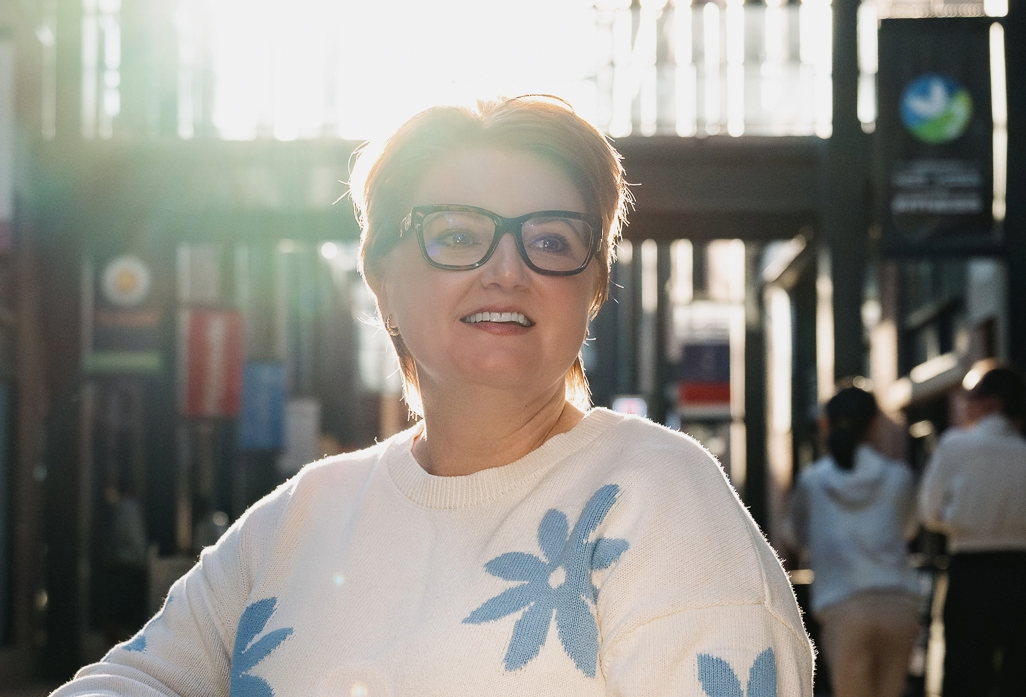
Imagine that eating a meal, entering a scented room or stepping outside during extreme weather requires planning. Imagine trying to explain a changing set of symptoms while each specialist sees only one part of the picture.
For many people with rare and complex conditions, this is ordinary life.
Rare Disease Day is observed on the last day of February, but the need for recognition continues year-round. More than 300 million people worldwide live with a rare disease. Each diagnosis may affect a relatively small population; collectively, the rare-disease community is enormous.
The long road to an explanation
The search for a rare diagnosis is often called a diagnostic odyssey. It can involve repeated referrals, inconclusive testing, incorrect diagnoses and years of trying to explain symptoms that do not fit neatly within one specialty.
My own journey began long before I had useful language for it. I lived with pain, fatigue, gastrointestinal symptoms, migraines and episodes that seemed disconnected. I was told that stress was the problem and that I needed to manage it better. One specialist suggested an eight-week meditation retreat.
Stress management can be helpful, but it is not a substitute for investigating persistent physical symptoms.
Over time, I received diagnoses that helped explain different parts of my experience, including mast cell activation syndrome (MCAS), myalgic encephalomyelitis/chronic fatigue syndrome (ME/CFS), glucose-galactose malabsorption (GGM), adenomyosis, endometriosis and complex post-traumatic stress disorder (CPTSD). Some are rare or underrecognized; others are chronic, disabling or commonly delayed in diagnosis. Together they showed why a single, simple explanation had never been enough.
Diagnosis brought validation and options. It did not make daily management simple.
A world built around assumed capacity
Many environments are designed for people who can tolerate fragrance, temperature changes, long periods upright, unpredictable food preparation and tightly scheduled days.
When those assumptions do not fit your body, participation requires extra work. Before an event, I may need to consider travel time, rest, food, medication, scent exposure and how I will recover afterward. A “quick” outing can consume the usable energy for an entire day.
These calculations are mostly invisible. That invisibility can make accommodations seem optional to people who do not need them. For the person requesting them, a small adjustment may determine whether participation is possible at all.
Compassion is more useful than comparison
Chronic illness is not a competition. People do not need to rank their suffering to deserve support.
Useful allyship begins with believing that another person understands their own limits. Ask what would make participation safer. Avoid treating fluctuating capacity as inconsistency or lack of effort. Recognize that a person may look well in a photograph because the recovery cost remains outside the frame.
The same principle applies in health care. Diagnostic uncertainty should invite curiosity, not contempt. A patient’s inability to provide a tidy narrative in a short appointment does not make their experience less real.
Why I write about it
I am writing Before It’s Too Late because the years between first symptoms and meaningful recognition changed every part of my life. The book is about illness, but also about what happens when a person is repeatedly taught not to trust their body, and what it takes to reclaim that trust.
Rare Disease Day gives us a shared symbol in the zebra: the reminder that clinicians should consider the less common explanation when the evidence warrants it. For me, it also represents the uniqueness of every patient’s pattern.
Awareness matters when it leads to earlier diagnosis, equitable access, better research and communities willing to make room for different bodies.
Further reading
- Rare Disease Day
- Rare diseases and Canada’s health system — Government of Canada
- The diagnostic odyssey — National Organization for Rare Disorders
This article shares lived experience and general information. It is not medical advice.