Patient Voice & Systems Change
How Lived Experience Can Shape Health Care
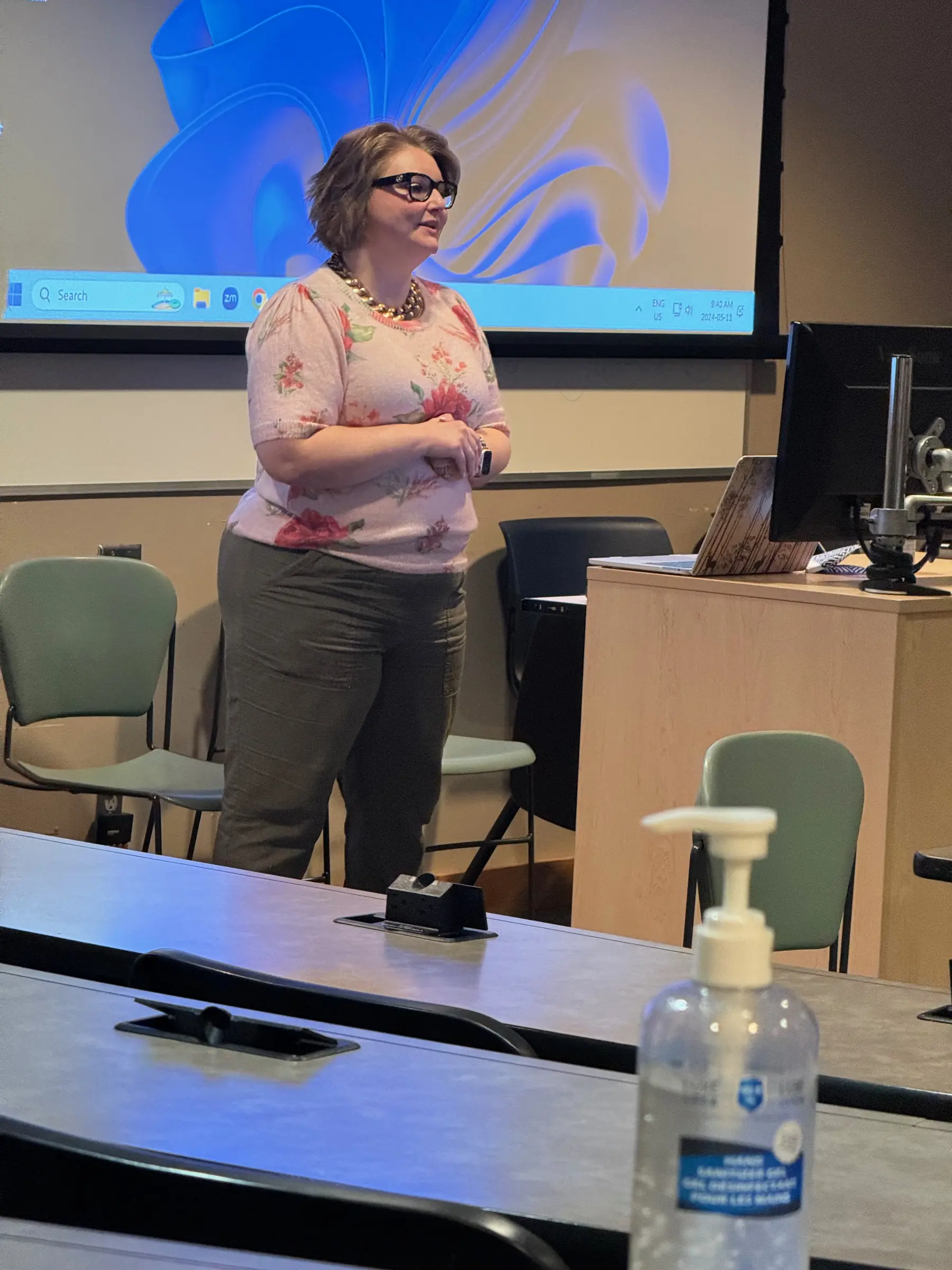
When I speak with medical learners, I am not there to teach them every detail of my diagnoses. I am there to show what can happen in the space between a patient’s reality and a system’s interpretation of it.
For years, I lived with symptoms that affected multiple parts of my body and life. Because the pattern was complex and inconsistent, it was easier for some people to describe me as anxious, dramatic or a hypochondriac than to remain curious.
Those labels did not merely hurt. They influenced care.
The knowledge a patient carries
Clinical education provides essential knowledge. Lived experience adds another kind: what a process feels like from inside it.
A patient knows how a ten-minute appointment changes when fatigue makes it difficult to organize a story. They know the cost of repeating traumatic information to a new clinician, the anxiety of waiting months for a referral and the way one dismissive phrase can make it harder to seek help again.
When patients participate in education, they make those consequences visible.
Listening is a clinical skill
I once shared with a group of learners that if they encounter someone they are tempted to call a hypochondriac, they should pause. The patient may be presenting a pattern that medicine has not yet assembled.
This does not mean every patient theory is correct or that uncertainty disappears. It means the relationship remains open long enough to investigate thoughtfully. A clinician can disagree, set boundaries or explain why a test is not appropriate while still treating the patient with dignity.
Listening is not the opposite of expertise. It is part of using expertise well.
The difference one consistent provider can make
Primary care has been one of the clearest examples of what attentive, continuous support can change. As I shared with the Canadian Institute for Health Information:
“As a patient, I’m so fortunate to have my primary care provider, who validated my symptoms and persisted in making referrals to specialists. She served as an anchor. Having this kind of support from a primary care provider can be the difference between continuing to fight for your health or giving up.”
That relationship did not make a complex system simple. It gave me one person who could see the pattern over time, keep asking questions and remind me that I was worth the effort required to find answers.
From disclosure to partnership
Sharing a personal story carries risk. Patients may reveal experiences of mental illness, addiction, trauma, employment loss, family strain or medical harm. Institutions benefit from those disclosures, so they have a responsibility to create psychologically safer participation, compensate patient partners fairly and be clear about how their contributions will be used.
Patient engagement should not depend on people repeatedly reliving their worst moments without support or influence.
The strongest partnerships move beyond testimony. Patients help design learning objectives, review language, identify missing perspectives and evaluate whether a proposed solution works outside the meeting room.
What I hope learners remember
I do not expect every learner to remember the names of my conditions. I hope they remember the experience of being unseen.
I hope they ask one more question before deciding a story does not make sense. I hope they explain what they are thinking instead of leaving a patient to interpret silence as disbelief. I hope they understand that the person in front of them may be using the last of their energy to ask for help.
Lived experience can make health care more compassionate, but only if it is treated as knowledge rather than decoration.
When patients and professionals learn together, the goal is not to erase their different roles. It is to build a relationship in which each person’s expertise can improve what happens next.